A guide to your new dog
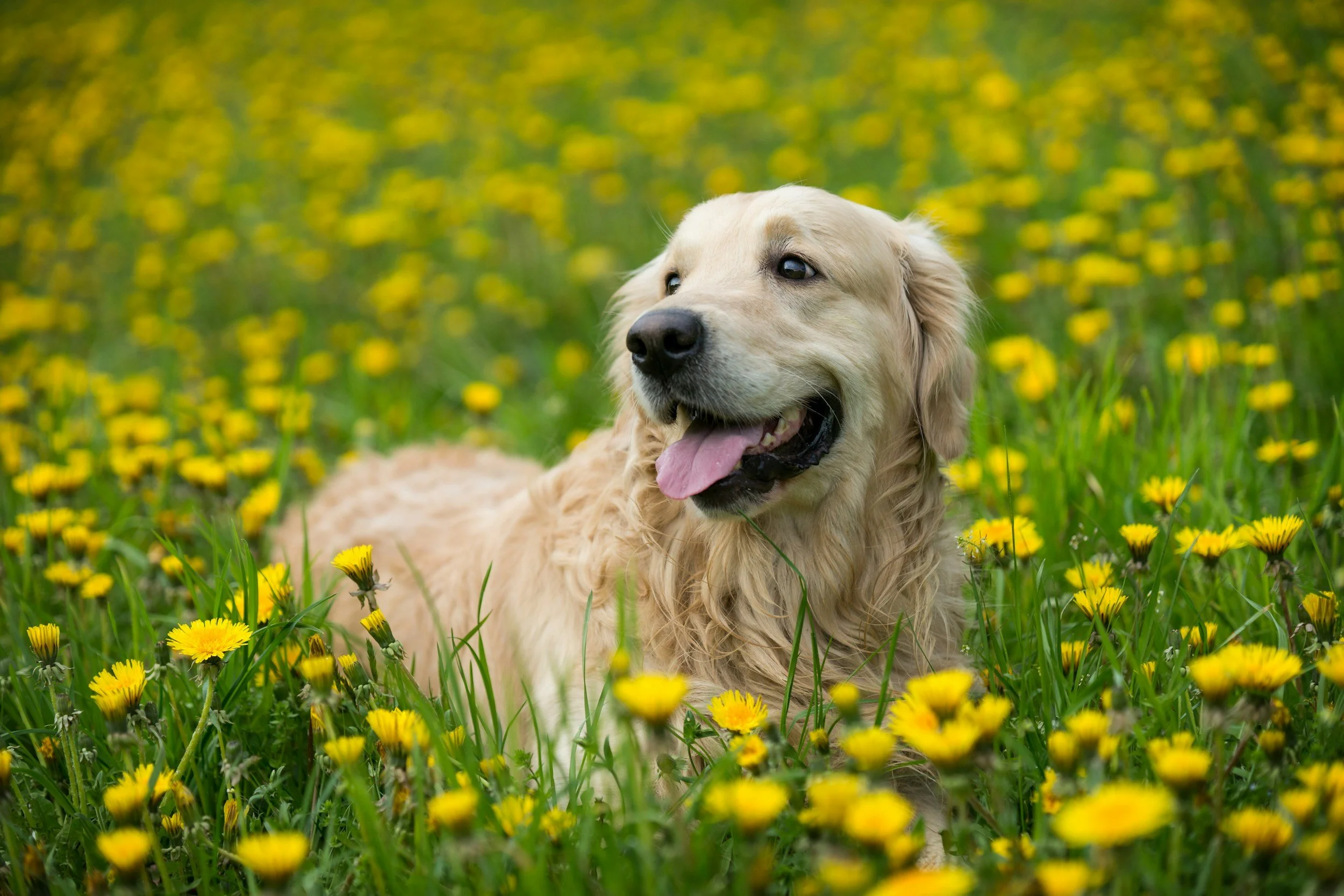
You tend to get few behavioral surprises with adult dogs such as this 3-year-old show-line Golden Retriever
You’re thinking about getting a dog — hooray! But how do you find the right dog for you?
Many of my clients have fond memories of life with their childhood dog … which was likely the responsibility of the adults in the home. If your heart is set on the dog from your childhood, a good starting point is (if possible) to ask your parents for a candid assessment of your childhood dog’s behavior and exercise needs. They may have very different recollections than you do!
Two outstanding books to help you research breeds and have realistic expectations of your new buddy are Lili Chin’s Dogs of the World and Dr. Zazie Todd’s Wag: The Science of Making Your Dog Happy. Both are available at my affiliate site at Bookshop.org, which supports independent booksellers.
Energy level matters — a lot
It’s said that people tend to vastly underestimate their own activity levels (I know I do) and think they want an active, bouncy, athletic dog, until they’ve had one for three days. So avoid herding breeds, scent hounds, and gun dogs from working lines, which tend to be bred for demanding tasks and which need structured outlets for their energy.
Such working line dogs are likely to be very frustrated in the average home, which means you will be, too. “Show line” dogs are bred to be companion animals, so ask breeders if their dogs are working line or show line.
If you hire a dog trainer to “fix” your extremely active working line dog, said trainer will give you exercise and enrichment activities that you may not have time to do. So it’s best to find the right match for your lifestyle before Fido comes home.
Be aware of mobility issues as well … in your older years, can you physically manage the dog your heart’s set on?
Health matters, too
Some breeds are predisposed to certain health issues. For instance, German Shepherds can have hip deformities and Boxers can be prone to cancer. These can be painful for your dog, heartbreaking for you, and expensive to address. Your vet is the perfect resource for breed-specific health questions.
Terms to watch for
Euphemisms such as “reserved,” “protective,” “discerning,” “loyal,” “aloof,” “attached,” or “one-family” mean the dog is difficult to socialize. He’ll be great with his family but fearful of and possibly aggressive toward strangers. And, no, not just aggressive to the bad guys. Dogs don’t know “good guys” from “bad guys.” They know the familiar from the unfamiliar. Strangers are unfamiliar, so dogs alert when they see them.
Such a dog will likely be fearful of or display aggressive behaviors towards the kids next door, people you pass on a walk, or visitors, even extended family. This is what the dog has been bred for generations to do, but can take a great deal of training time to modify.
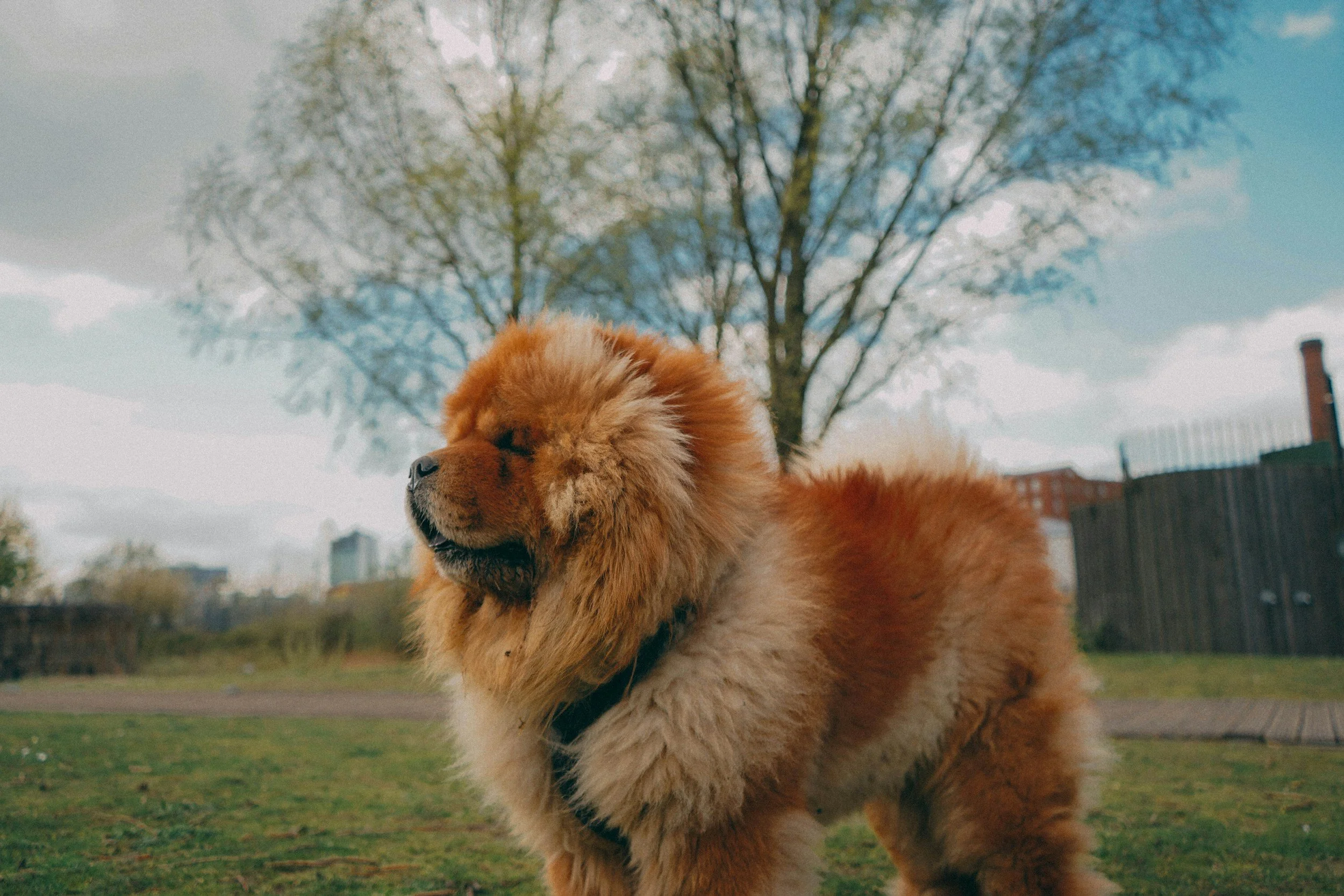
Gorgeous Chows are the heart-dog of Jean Donaldson, founder of The Academy for Dog Trainers. Jean is also the first to say they’re not for everyone.
Herding dogs, Asian breeds such as Akitas and Chows, and dogs bred as guards or for protection are dogs to be extra considerate of. They’re not bad dogs; they may just not fit into your life and might not be covered by homeowners' or renters' insurance.
Breeder tips
Research breeders carefully: Is the mom totally friendly? Are the puppies in the breeder’s house and meeting lots of people? That’s a good start.
Or, is the mom hiding from you or very skittish? Does the breeder refuse to let you meet the mother? Are the puppies living in a barn or in a kennel? Move on. Genetic research shows stressed and fearful mother dogs can pass those behavior traits to pups both in utero and after the pups are born.
The myth of “good with children”
There’s no such thing as a genetic or breed propensity for being “good with children.” This comes down to socialization. Ask if the puppy has had many super-awesome interactions with children of all ages, paired with food rewards.
If you’re getting an adult dog, audition him (safely) with kids. What you see is what you get in an adult (over age 2 or 3, depending on breed; smaller breeds generally mature faster than larger breeds). With any dog, young children need to be supervised and be taught appropriate interactions.
“I want the smartest dog!”
I have never met a dog who could not learn. However, some breeds are predisposed to being endlessly distracted by hunting critters or following scents to the exclusion of all else. A credentialed, rewards-based trainer is your best bet for assessing and modifying your new buddy’s behavior, helping them to live harmoniously in our world.
What about a rescue dog?
Brilliant idea! What you see is what you get with an adult rescue (2 or 3 years old) so ask about their activity level, friendliness (or hesitancy) around new people and situations and if they’ve had relaxed, calm interactions with children.
If the dog is younger than 2, these qualities still count — so an outgoing, friendly dog is a great sign — but there’s a chance shy or fearful behavior will kick in at adulthood if the dog has genes for herding, guarding, or just Doesn’t Like Strangers. And you won’t know this until social maturity (around age 2).
If you rescue a puppy under 12 weeks, get going on socialization. Enroll in a rewards-based puppy class ASAP or find a trainer who specializes in puppy socialization. Why? Socialization to people and dogs – and love of body handling – is time-sensitive. Manners are not. I can teach your dog to sit any time!