
you can get in lots of sits and downs with your dog while waiting for pasta water to boil!
When I started training my first dog, 30 years ago, I went to a training center where we drilled behaviors and then were given 30 minutes of homework to do every day.
Guess who rarely did her homework? 👋🏻
Me and everyone else in class.
If you think you don't have time to work on dog training, know that canine cognition research shows that dogs learn just as well when you train for 5 - 10 minutes, three to four times a week. (Of course, this is between sessions with a training pro where we work on teaching your dog those new behaviors.)
I coach clients to fit in training throughout their day
Drilling sits and downs (aka “puppy push-ups”) while they wait for morning tea or coffee to brew
Doing a few hand touches into sits during commercial breaks
Having your dog down and staying on her bed while you fold laundry
Practicing “drop its” during sessions of tug
This makes it easy to squeeze in learning around your daily schedule and even better, this type of training can become a lifelong habit, so your dog's new behaviors never have a chance to get rusty.
Admittedly, I’m a pro dog trainer, but my husband and I ask our dogs for a variety of behaviors throughout our day: sitting for meals or Kongs, sitting before the door gets opening, hand touches randomly during walks, and so on.
More training isn’t better
Like us, dogs need to “sleep on” their new learning. When you’re working with your dog, and she seems stuck/not getting it, there are few things you can check:
Are the food rewards you’re using special enough? Dogs have favorite food rewards and will give better responses for them.
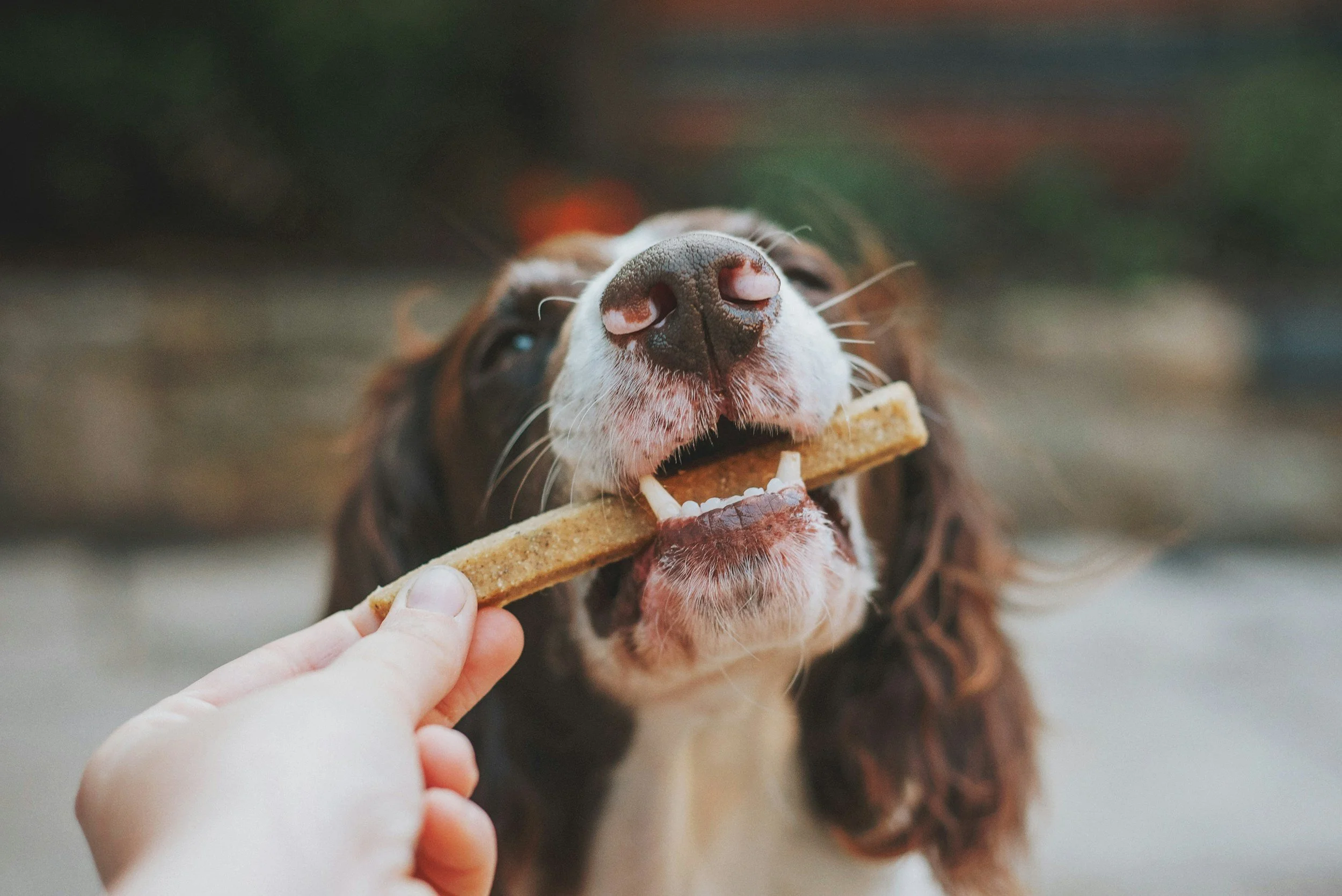
Speed of training matters and helps keep your dog engaged. One reason I recommend treat pouches is that they’re easy to have filled and ready for an impromptu training session.
Are you asking too much, too soon from your dog? Moving ahead in a training plan can be tempting but may also backfire if earlier iterations of a behavior aren’t down pat.
What’s the distraction level? Teaching your dog to leave items alone outside should be perfected inside first.
Sometimes during training, especially with puppies or dogs who haven’t had training in a number of years, your dog might simply walk away from what you’re doing. They’re “voting with their feet” and that means they’re befuddled/tired/unclear.
If that happens, end the session and try again in a day or so. You’ll likely be amazed how well your dog has picked up the learning!
Asking your dog to “drop” a very tempting item won’t likely work unless you’ve begun with items way less interesting to your dog.
Too long training, too tempting, or too soon in the training plan rarely leads to success.